Retaining Wall Drainage in Tuscaloosa, AL
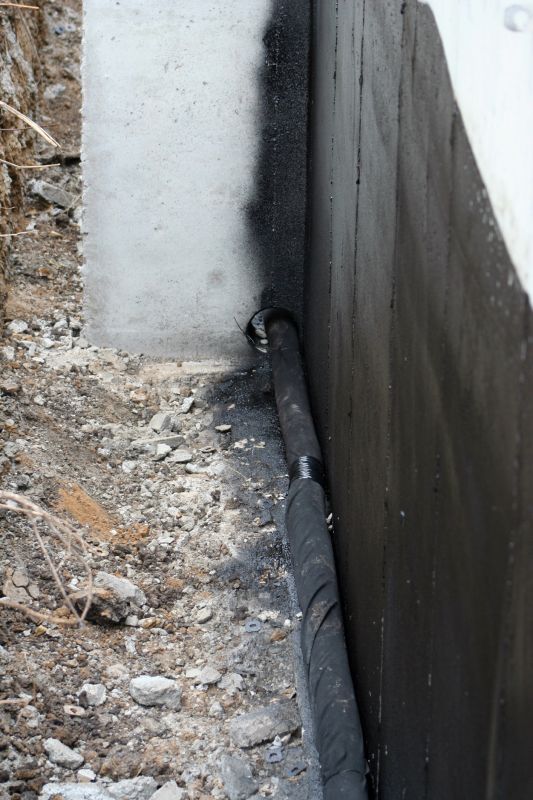
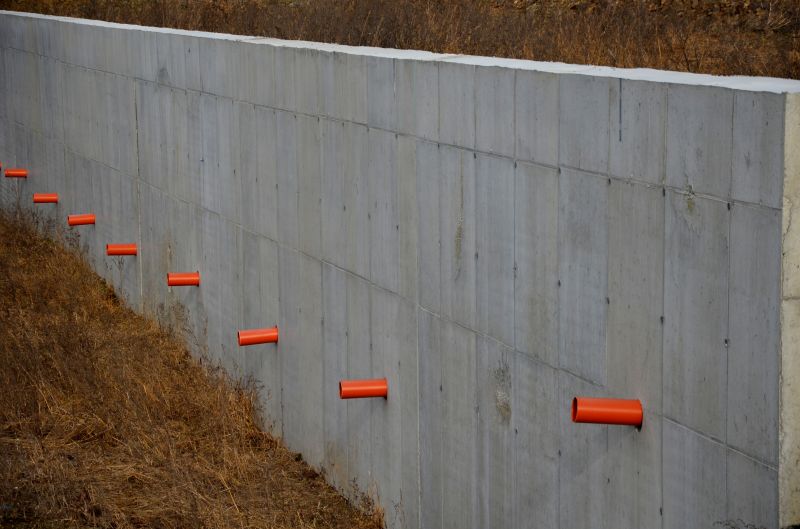
Retaining wall drainage services focus on ensuring proper water management behind and around retaining walls to prevent damage and maintain stability. These services typically involve installing drainage systems such as weep holes, drain pipes, or gravel backfill to direct water away from the wall structure. Homeowners often seek this service for projects involving garden walls, backyard terraces, or landscape retaining walls, especially in areas prone to heavy rainfall or poor drainage. Proper drainage helps reduce pressure buildup behind the wall, decreasing the risk of shifting, cracking, or failure over time.
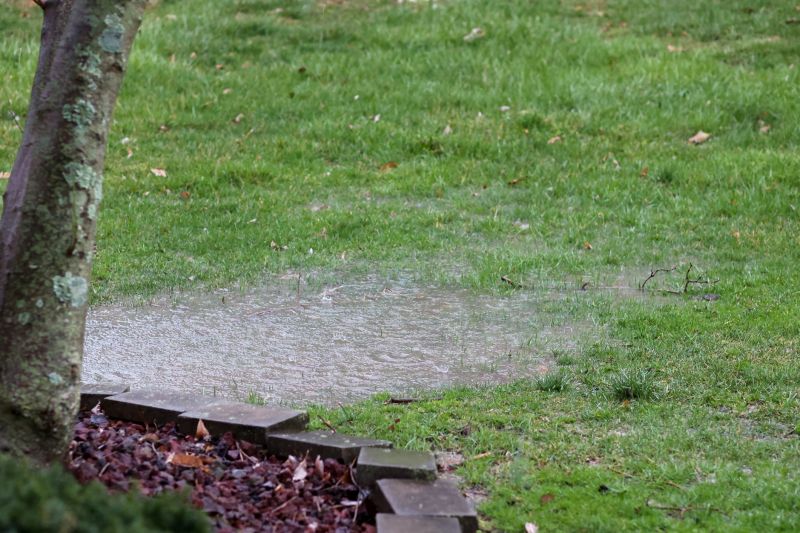
Before requesting retaining wall drainage services, property owners usually want to understand the existing site conditions, including soil type and slope, as these factors influence drainage needs. It’s also helpful to consider the type and height of the retaining wall, as different designs require specific drainage solutions. Clear information about the location of the wall, surrounding landscape, and any signs of water pooling or erosion can assist in planning an effective drainage system. Proper assessment and installation can extend the lifespan of the retaining wall and protect the property's overall stability.
Many property owners in Tuscaloosa, AL look into Retaining Wall Drainage for repairs, replacements, upgrades, and appearance-related improvements.
Proper Drainage Design
Effective drainage planning helps prevent water buildup behind retaining walls in tuscaloosa properties.
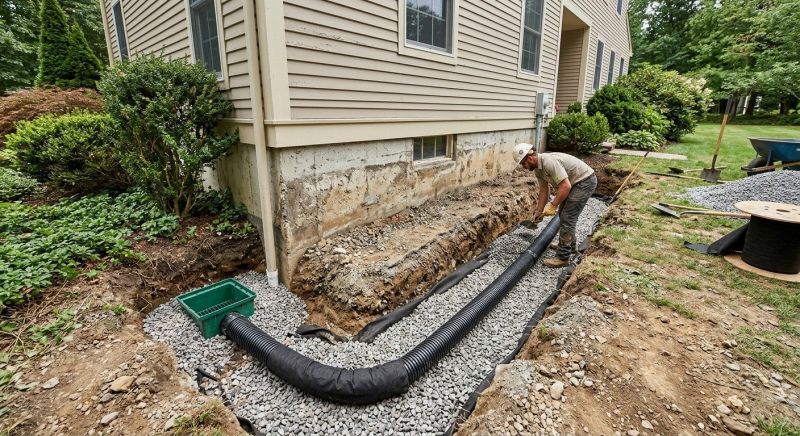
Drainage System Installation
Installing weep holes and drain pipes ensures water flows away from retaining walls to reduce pressure and damage.
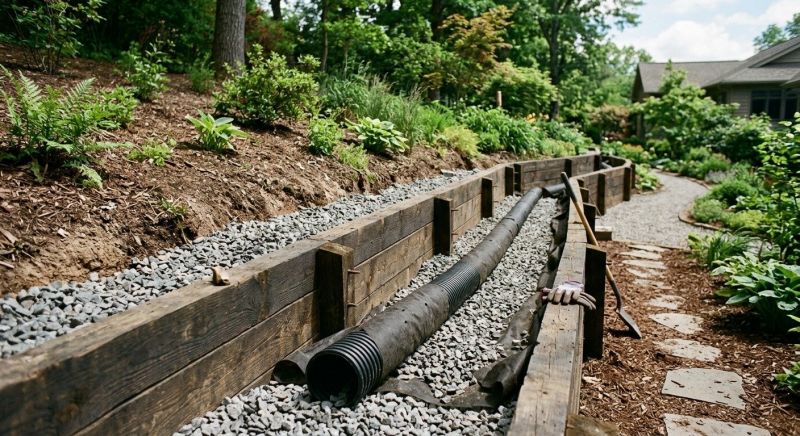
Maintenance And Repairs
Regular inspections and repairs help maintain the integrity of retaining wall drainage systems over time.
Retaining Wall Drainage in Tuscaloosa, AL
Retaining wall drainage services focus on ensuring proper water management behind and around retaining walls to prevent damage and maintain stability. These services typically involve installing drainage systems such as weep holes, drain pipes, or gravel backfill to direct water away from the wall structure. Homeowners often seek this service for projects involving garden walls, backyard terraces, or landscape retaining walls, especially in areas prone to heavy rainfall or poor drainage. Proper drainage helps reduce pressure buildup behind the wall, decreasing the risk of shifting, cracking, or failure over time.
Before requesting retaining wall drainage services, property owners usually want to understand the existing site conditions, including soil type and slope, as these factors influence drainage needs. It’s also helpful to consider the type and height of the retaining wall, as different designs require specific drainage solutions. Clear information about the location of the wall, surrounding landscape, and any signs of water pooling or erosion can assist in planning an effective drainage system. Proper assessment and installation can extend the lifespan of the retaining wall and protect the property's overall stability.
Many property owners in Tuscaloosa, AL look into Retaining Wall Drainage for repairs, replacements, upgrades, and appearance-related improvements.
Common Retaining Wall Drainage Jobs
Retaining wall drainage services help prevent water buildup behind walls, reducing the risk of damage.
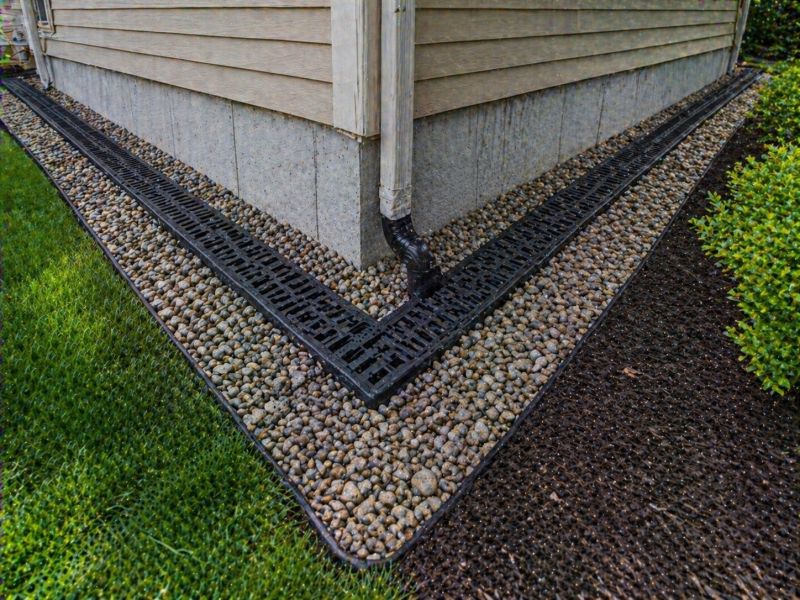
Drainage system installation involves adding gravel, weep holes, and drainage pipes to improve water flow.
Waterproofing solutions protect retaining walls from moisture infiltration and related deterioration.
Drainage repair addresses existing issues such as clogged pipes or ineffective weep holes to maintain proper flow.
Drainage inspections identify potential problems early, ensuring the longevity of retaining wall structures.
Drainage upgrades enhance existing systems to improve water management and prevent erosion around retaining walls.
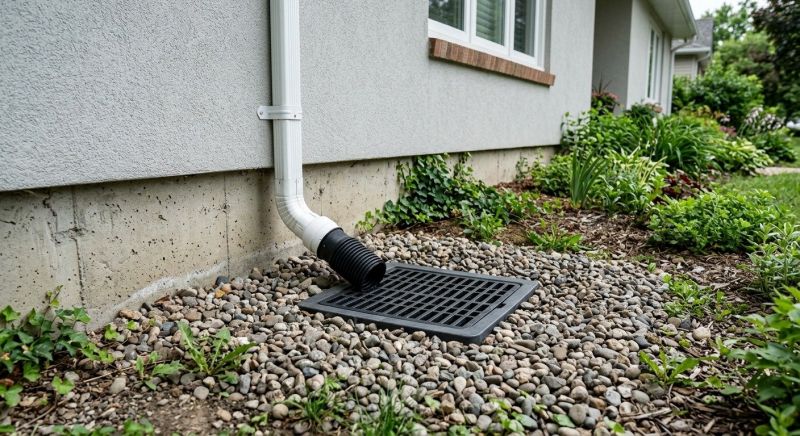
Retaining Wall Drainage Questions
Why is proper drainage important for retaining walls? Proper drainage prevents water buildup behind the wall, reducing pressure and the risk of failure or damage.
What types of drainage solutions are used in retaining wall projects? Common solutions include weep holes, drainage pipes, and gravel backfill to facilitate water flow away from the wall.
How can poor drainage affect a retaining wall’s longevity? Poor drainage can lead to water accumulation, increasing pressure and causing cracks, shifting, or collapse over time.
What signs indicate a need for drainage improvements in an existing retaining wall? Signs include water pooling, excessive moisture, or cracks in the wall surface, indicating drainage issues that require attention.
Request Retaining Wall Drainage in Tuscaloosa, AL
Use the quote form on this page to share the basics of your project and request more information for the type of work you need.